Published on
Last modified
When the US cloud sneezes, the economy catches a cold – time for German alternatives
Companies must rebuild their IT infrastructure for greater sovereignty and resilience – German and European alternatives to AWS and Microsoft offer solutions.
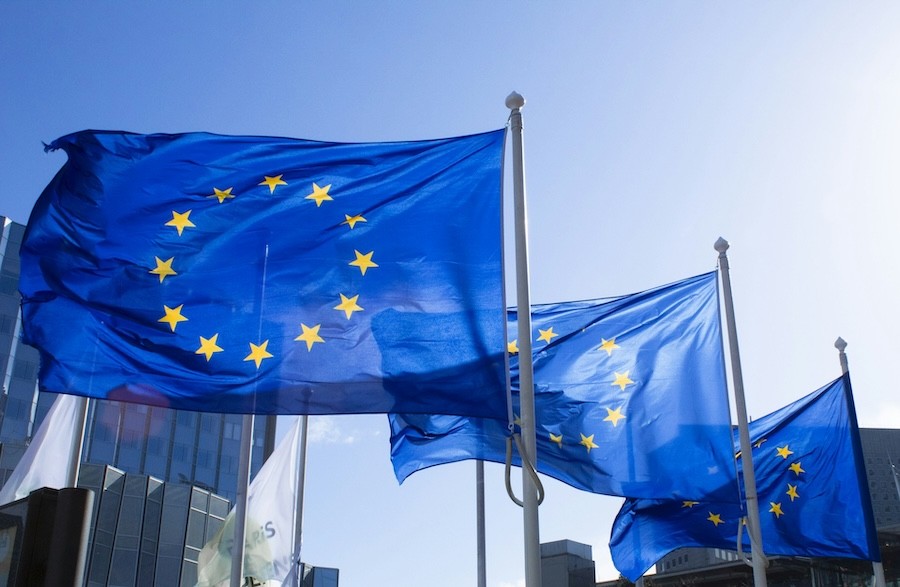
Companies need to redesign their IT infrastructure for greater sovereignty and resilience — and German and European alternatives to AWS and Microsoft are becoming increasingly important solutions.

What happened?
The last few weeks have been intense for every operational risk dashboard. First something as fundamental as DNS/name resolution at AWS in us-east-1 breaks down – with cascading effects across the network. For hours, services stutter, Amazon has to intervene manually. A single point of failure, global impact. Not surprising? Perhaps that is exactly the problem.
And at Microsoft?
Barely had anyone caught their breath when Microsoft reported a Microsoft 365/Azure outage: Outlook, Teams, OneDrive, Xbox – across the entire portfolio. Official cause: an “inadvertent configuration change.” Translation: one configuration error is enough, and thousands of companies suddenly have digital short-time work. That means: production stoppage, breached SLAs, loss of trust with the end customer.
Meanwhile, things are creaking in the supposedly “sovereign” segment: Delos, the administrative cloud based on Microsoft technology, is drawing attention. Even a state interior ministry admits: access from third countries cannot be ruled out – legally, the US CLOUD Act therefore remains a risk. Whoever supplies the software can be forced through legal means to implement a data-exfiltration capability. Germany or not: jurisdiction beats geography. Pretty much exactly what Microsoft lawyers had to confirm in a hearing in France, in so many words: absolute sovereignty cannot be guaranteed this way.
What does the International Criminal Court infer from this?
And while many are still debating, some have already decided. Schleswig-Holstein has consistently moved its mail infrastructure and collaboration to open source (Open-Xchange, Nextcloud, OpenTalk) and is testing Linux as an alternative to Windows. The International Criminal Court (ICC) in The Hague is parting ways with Microsoft Office and switching to OpenDesk – not out of ideology, but because of experience in a real emergency: political pressure, blocked mailboxes, real vulnerability. If the legal situation undermines IT, only an architecture that does not depend on Washington can help.
The EU is also pulling the lever. With the Cloud Sovereignty Framework and an EU tender worth €180 million, a criteria matrix is being created for the first time that makes sovereignty measurable and procurable: legal and operational sovereignty, key and personnel control, open standards, sustainability. In other words: no longer “sovereign” as a marketing sticker, but proof required in procurement.
What does this mean for your business?
If not now, when? The combination of technical failures, legal uncertainty, and political pressure is shifting budgets. Companies want exit capability, key control, EU jurisdiction – without being left alone in the ecosystem.
That is exactly where the leverage lies for IT service providers, MSPs, and ISVs:
Risk diagnosis instead of infrastructure sales: make concentration, supply chain, and legal risks visible – then offer migration roadmaps.
Open standards first: open protocols/stacks reduce switching costs and make Plan B real.
Sovereign operating models: data storage, keys, and staff in the EU – in the contract and in the architecture, not on slide 28.
Sustainability as a KPI: efficient, short paths (edge), energy-efficient water cooling – lowers TCO and fits ESG criteria.
Where does Yorizon stand?
We are German, based on OpenStack, and channel-only. Sovereignty and sustainability are architecture principles for us, not a coat of paint. And because we work exclusively through partners, genuine partnerships on equal footing are not a PR cliché, but our business model: joint GTM plans, enablement, transparent margins.
If AWS and Microsoft have shown one thing, it is this: dependence is more expensive than switching. Anyone who wants to be resilient in 2026 is rebuilding now. Now is the time for German and European alternatives.
What now? / Next steps
We map your risk hotspots and outline a sovereign landing zone. Speak directly with our Alliance Managers.